
Cathy Test Cloud Standard Article One


Testing in-article links below for Page Managr syndication rules.
Modified for XML Feed testing purposes!
Article Links
*** Cathy changing HERE!
The following contains a list of in-article links to various parent section articles.
Wellness Center Links
The following contains a list of in-article links to various parent section wellness centers.
Recipe Article Links
The following contains a list of in-article links to various parent section recipe articles.
Category Page Links
The following contains a list of in-article links to various parent section subcategory pages.
Parents Questions & Answers (Q&A)
Parents Emotions & Behaviors
Again I am trying to add a button text and check where the button shows up with respect to the text. More text here ad jdkf jdfa jfkalds fk jdfkda dfjlkaf jkdf fmkl jfdsakds fdjalds sdkjfl fjkd dsajfk sdkfj asdjfk jkdsaf jksdf jsdkf jskfd jdsfk sdkjfn sadjflk jsadkfjl jkdsafj jsdfalk.
Yet another RTE with text and a hyperlink to the Parents fever article.
See fever.
Splats Below (hematoma, callus)
What Happens as Broken Bones Heal?
There are three stages of bone healing: the inflammatory, reparative, and remodeling stages.
The Inflammatory Stage
When a bone breaks, the body sends out signals for special cells to come to the injured area. Some of these special cells cause the injured area to become inflamed (red, swollen, and painful). This tells the body to stop using the injured part so it can heal.
Other cells that come to the area during this stage form a (blood clot) around the broken bone. This is the first bridge between the pieces of the broken bone.
New splat here
The Reparative Stage
The reparative stage starts within about a week of the injury. A soft (a type of soft bone) replaces the blood clot that formed in the inflammatory stage. The callus holds the bone together, but isn't strong enough for the body part to be used.
Over the next few weeks, the soft callus becomes harder. By about 2–6 weeks, this hard callus is strong enough for the body part to be used.
Test bulleted list below.
- outer bullet one
- inner bullet one
- inner bullet level 3-one-1
- inner bullet level 3-one-2
- inner bullet two
- inner bullet three
- inner bullet one
- outer bullet two
- inner bullet one
- inner bullet two
- inner bullet level 3-two-1
- inner bullet level 3-tw0-2
- outer bullet three
- inner bullet three-1
- innner bullet three-2
This should be bold!
This should be italized!
check box ✔
fractions (¼, ½, ¾)
copyright © ™ ®
Adding Raw HTML Component below.
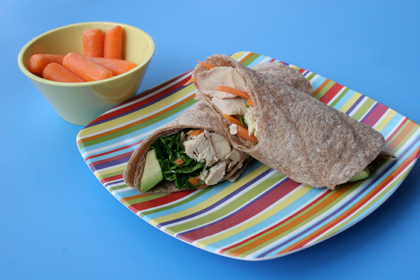
Table component should be shown below.
| Apgar Sign | 2 | 1 | 0 |
|---|---|---|---|
| Appearance (skin color) | Normal color all over (hands and feet are pink) | Normal color (but hands and feet are bluish) | Bluish-gray or pale all over |
| Pulse (heart rate) | Normal (above 100 beats per minute) | Below 100 beats per minute | Absent (no pulse) |
| Grimace ("reflex irritability") | Pulls away, sneezes, coughs, or cries with stimulation | Facial movement only (grimace) with stimulation | Absent (no response to stimulation) |
| Activity (muscle tone) | Active, spontaneous movement | Arms and legs flexed with little movement | No movement, "floppy" tone |
| Respiration (breathing rate and effort) | Normal rate and effort, good cry | Slow or irregular breathing, weak cry | Absent (no breathing) |
Landing Page Video Component Below.
What Is Genetic Counseling?
 Note: All information is for educational purposes only. For specific medical advice,
diagnoses, and treatment, consult your doctor.
Note: All information is for educational purposes only. For specific medical advice,
diagnoses, and treatment, consult your doctor.
© 1995- The Nemours Foundation. KidsHealth® is a registered trademark of The Nemours Foundation. All rights reserved.
Images sourced by The Nemours Foundation and Getty Images.